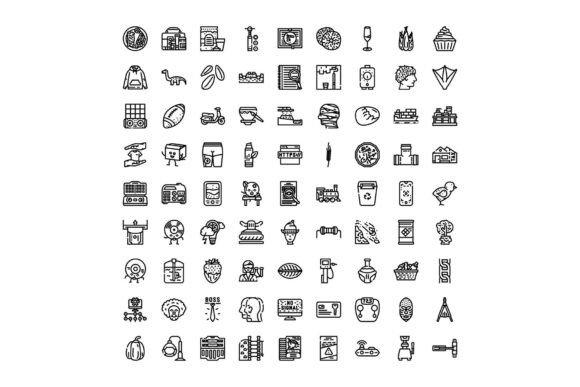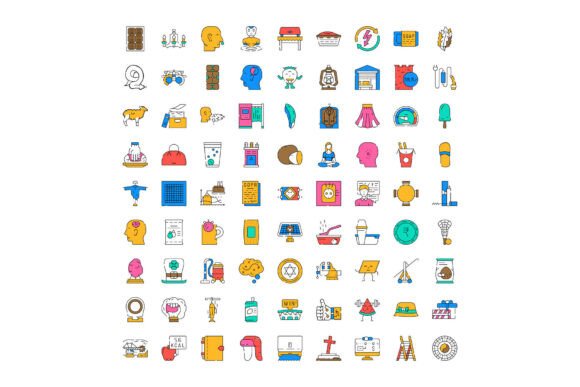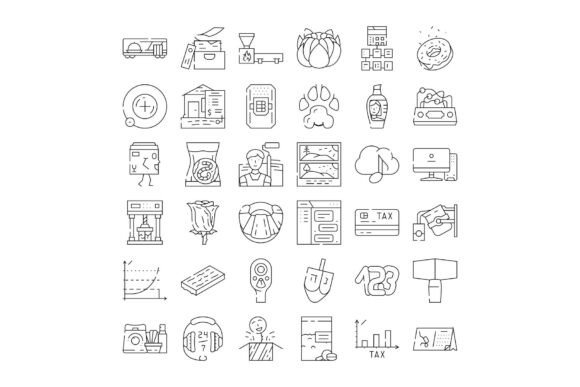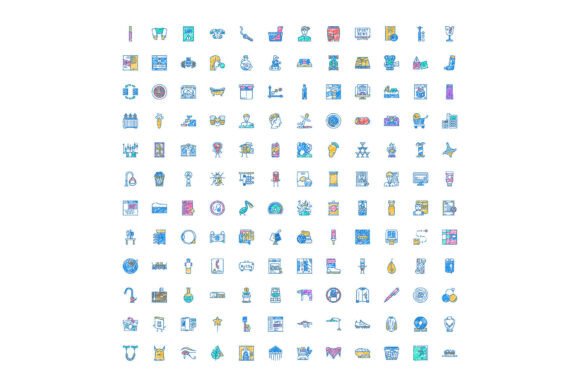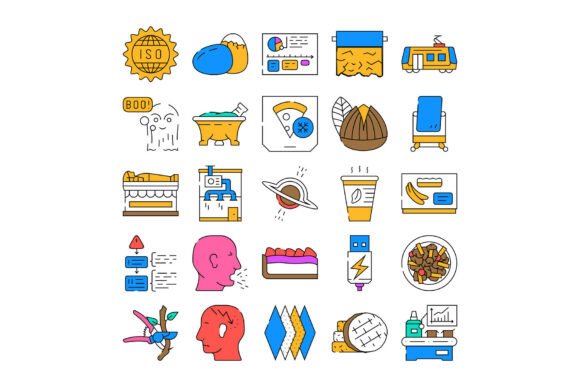
Collection of Vector Line Icons Depicting a Diverse Range of Modern Concepts
In today’s visually driven digital landscape, the right imagery can make or break a design. Whether you're crafting a website, mobile app, marketing material, or educational resource, icons play a crucial role in communication. A collection of vector line icons depicting modern technology, transportation, medical symptoms, food items, natural elements, and conceptual ideas offers creators a flexible, scalable solution for visual storytelling across platforms.
Why Vector Icons Matter in Modern Design
Vector graphics have long been favored for their scalability and clarity. Unlike raster images, which lose quality when resized, vector icons maintain sharpness at any size. This makes them ideal for responsive web design, mobile interfaces, and print media where adaptability is key. The diverse set of outlined vector icons available today reflects the growing need for visual elements that are both functional and aesthetically cohesive across varied contexts.
Designers, developers, and marketers increasingly rely on these icons to streamline workflows and enhance user experiences. Whether it’s a minimalist tech app or a health-focused infographic, the right icon can convey complex ideas instantly and intuitively.
Reflecting Contemporary Themes and Needs
Iconography is more than decoration—it’s a language. The collection of vector line icons depicting modern themes mirrors the evolving priorities of today’s users and creators. For instance, icons representing renewable energy, remote work, wellness, and digital connectivity reflect broader societal shifts toward sustainability, flexibility, and health awareness.
Consider how digital platforms now integrate visual cues for telehealth services, electric vehicles, or plant-based diets. These are not just design trends—they respond to real-world behaviors and expectations. As such, a diverse set of outlined vector icons becomes a valuable tool for aligning visual content with current cultural and technological landscapes.
From Static Symbols to Dynamic Design Assets
Gone are the days when icons were limited to basic symbols like folders and envelopes. Today’s design tools and workflows demand icons that are not only diverse but also customizable and contextually relevant. Vector line icons offer this flexibility, allowing designers to tweak stroke widths, colors, and styles to fit brand identities or interface needs without compromising quality.
Moreover, the rise of design systems and UI kits has made reusable, consistent icon sets more important than ever. A well-organized collection of vector line icons can serve as a foundational asset for building scalable design systems across teams and platforms.
Practical Applications Across Industries
From startups to educational institutions, the collection of vector line icons depicting various concepts finds use in a wide array of fields. Let’s explore a few key areas where these icons make a tangible difference:
- Technology: Icons representing cloud storage, AI, cybersecurity, and IoT help communicate features and benefits in a visually engaging way.
- Healthcare: With growing interest in digital health tools, icons that illustrate symptoms, wellness practices, and telemedicine services are essential for clarity and accessibility.
- Transportation: As urban mobility evolves, icons for electric scooters, bike-sharing, and smart transit systems support intuitive navigation and service representation.
- Food and Lifestyle: Whether for meal delivery apps or nutrition guides, food-related icons help users quickly identify offerings and make informed choices.
Supporting Inclusivity and Global Communication
Icons transcend language barriers, making them powerful tools in global communication. A diverse set of outlined vector icons that includes a range of people, environments, and activities supports inclusive design and broader audience engagement. For example, icons that reflect different skin tones, gender identities, or mobility aids can make digital interfaces feel more welcoming and representative.
Choosing the Right Icon Set for Your Project
Not all icon collections are created equal. When selecting a collection of vector line icons depicting specific themes, consider the following factors:
- Consistency: Ensure all icons share a uniform style, stroke width, and visual language for a cohesive look.
- Scalability: Vector icons should render clearly at all sizes, especially for responsive design.
- Customizability: Look for sets that allow easy editing of colors, strokes, and other properties to match your brand palette.
- Relevance: Choose a set that includes icons relevant to your content or industry, whether it's tech, healthcare, nature, or conceptual ideas.
Where to Use These Icons Effectively
These icons are versatile and can be used in a variety of formats and platforms. Here are a few practical examples:
- Websites: Enhance navigation menus, landing pages, and infographics with clear, scalable icons.
- Mobile Apps: Improve usability with intuitive icons for actions, settings, and features.
- Presentation Slides: Use icons to break up text-heavy content and highlight key points visually.
- Social Media: Create engaging posts and stories with icons that reinforce your message or brand identity.
Staying Ahead with Thoughtful Design Choices
As design trends continue to evolve, so too does the demand for icons that reflect new ideas, technologies, and user expectations. A collection of vector line icons depicting modern themes isn’t just about aesthetics—it’s about staying relevant and responsive to the world around us. By choosing a diverse set of outlined vector icons, designers and creators can ensure their visual content remains both functional and future-ready.
Whether you're a seasoned professional or just starting out, investing in a well-crafted icon library can significantly streamline your workflow and elevate your design quality. The key is to select icons that align with your message, audience, and platform, ensuring clarity and consistency across all visual touchpoints.