Halftone Wave Vector Elements: Strategic Design Tools for Modern Visual Communication
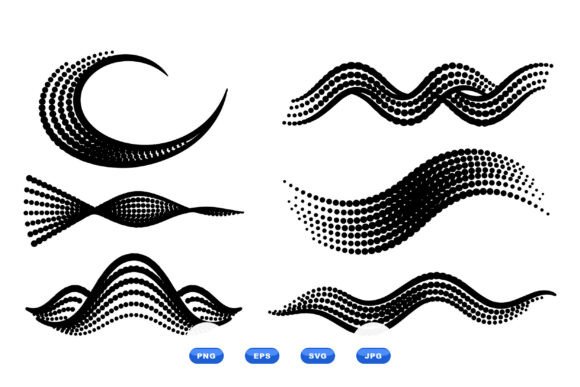
Halftone Wave Vector Elements offer a unique blend of artistic expression and functional design, making them an essential asset for professionals across creative industries. These elements consist of six flowing ribbon-like shapes rendered in black vector format, designed to add depth, movement, and texture to a wide range of visual projects. Whether you're crafting a logo, designing a poster, or enhancing a website's background, Halftone Wave Vector Elements provide a scalable, adaptable solution that supports both aesthetic appeal and strategic communication.
Understanding the Strategic Value of Halftone Wave Vector Elements
At their core, Halftone Wave Vector Elements are more than decorative graphics—they are strategic tools that can influence perception, guide visual hierarchy, and reinforce brand identity. Their halftone dot pattern mimics traditional print techniques while maintaining the precision and flexibility of digital design. This duality makes them especially valuable for creators who want to bridge analog aesthetics with modern usability.
Because these elements come in multiple formats—SVG, EPS, editable PNG, and JPG—they can be easily integrated into both print and digital workflows. This versatility ensures that designers, marketers, and business owners can maintain visual consistency across platforms, from packaging and apparel to digital campaigns and educational materials.
How Halftone Wave Vector Elements Support Creative and Business Goals
When used thoughtfully, Halftone Wave Vector Elements can support a range of strategic objectives. For example:
- Branding: These elements can be incorporated into logos or brand assets to create a signature visual style that's both modern and timeless.
- Marketing Materials: Use them to enhance promotional posters, social media graphics, or email headers, adding visual interest without overwhelming the message.
- Product Design: Ideal for stickers, decals, and apparel, they offer a professional finish that scales well across different product lines.
- Web and UI Design: As background textures or decorative accents, they help guide user attention and improve the overall user experience.
By aligning these design elements with broader communication goals, creators can ensure that their visual choices support—not distract from—their intended message.
Planning and Positioning: When and How to Use Halftone Wave Vector Elements
Effective use of Halftone Wave Vector Elements begins with intentionality. Before incorporating them into a design, consider the following factors:
- Context: Will the element enhance the visual storytelling or compete with the main content? Use them sparingly in high-contrast environments or where subtle texture is needed.
- Audience: Are your viewers more receptive to minimalist design or do they appreciate layered, textured visuals? Adjust usage based on audience expectations.
- Technical Requirements: Ensure the format you choose (SVG for scalability, PNG for transparency, etc.) aligns with the intended application, especially for print or digital production.
For example, a small business launching a new product line might use these elements in packaging design to create a premium, artisanal feel. Meanwhile, a digital marketer could apply them as background accents in a landing page to guide visual flow without compromising readability.
Strategic Integration for Long-Term Value
To maximize the long-term value of Halftone Wave Vector Elements, treat them as part of a broader design system rather than isolated assets. This means:
- Consistency: Apply them consistently across brand materials to build visual recognition and cohesion.
- Adaptability: Reuse and repurpose elements across different media formats, ensuring they scale and adapt well.
- Evolving with Purpose: Revisit their usage periodically to ensure they remain aligned with evolving brand strategies and design trends.
For instance, a creative agency might embed these elements into their template library, ensuring that all client deliverables maintain a professional and cohesive aesthetic without requiring custom design work each time.
Avoiding Common Pitfalls: Using Halftone Wave Vector Elements with Purpose
While these design elements offer many benefits, they can also be misused. Common pitfalls include:
- Overuse: Applying too many halftone effects can lead to visual clutter, reducing readability and diluting brand clarity.
- Misalignment: Using them in contexts where simplicity and clarity are more effective—such as data-heavy presentations or minimalistic branding systems.
- Lack of Strategy: Incorporating these elements without considering how they support broader design or communication goals.
To avoid these issues, always test the visual impact of Halftone Wave Vector Elements in context. Use A/B testing for digital applications or mock-ups for print to ensure they enhance rather than hinder the user experience.
Practical Tips for Implementation
Here are some actionable steps to integrate Halftone Wave Vector Elements effectively:
- Start Small: Begin with one or two elements in a project to gauge their visual impact before layering more.
- Layer Thoughtfully: Combine them with flat colors or clean typography to maintain balance and readability.
- Test Across Formats: Ensure they look good on screen and in print, adjusting contrast or scale as needed.
- Use in Branding Kits: Include them in brand guidelines so that all team members or partners apply them consistently.
For example, a blogger designing a new website theme might use a halftone wave element as a subtle background texture behind a call-to-action section, enhancing visual appeal without distracting from the content.
Conclusion: Making Informed Design Decisions
Halftone Wave Vector Elements are more than just a design trend—they are a versatile, scalable resource that can elevate visual communication when used with intention. Whether you're a small business owner, a freelance designer, or a marketing professional, understanding how to incorporate these elements strategically can help you achieve better results across branding, marketing, and product design.
By approaching their use with a clear purpose—considering audience, context, and long-term goals—you can ensure that every visual decision contributes meaningfully to your overall strategy. And with the included formats (SVG, EPS, PNG, and JPG), you have the flexibility to implement them across a wide range of applications, from digital to print, without compromising quality or scalability.