Strategic Use of a Comprehensive Outline Design Element Collection
Designers and developers working across digital platforms often face the challenge of maintaining visual consistency while communicating complex ideas clearly. A well-curated collection of outline design elements provides a scalable, adaptable solution for interface design, content illustration, and brand expression. These outline icons—clean, minimal, and concept-driven—serve as visual shorthand that supports both usability and aesthetic coherence.
Why a Diverse Outline Icon Set Matters
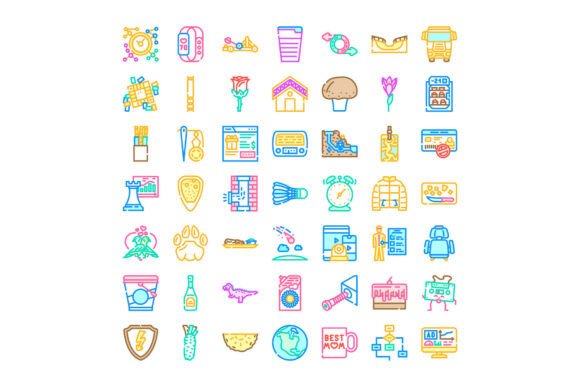
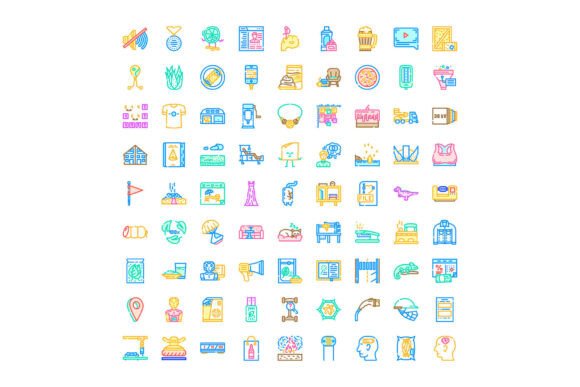
Icons are more than decorative elements; they are functional tools that guide user behavior, clarify navigation, and reinforce brand messaging. A robust collection of outline design elements includes icons representing a wide range of concepts—from business and technology to health, nature, and lifestyle. This breadth allows creators to address diverse themes without compromising design integrity.
For entrepreneurs and marketers, having access to such a set means faster prototyping, more agile branding, and better alignment between visual language and business messaging. For educators and content creators, it supports the visual explanation of abstract or complex ideas, improving engagement and comprehension.
Supporting Strategic Goals Through Visual Design
When integrated thoughtfully, outline icons from a comprehensive collection of outline design elements can support multiple strategic goals:
- Clarity in Communication: Icons simplify complex processes and abstract ideas, making them ideal for dashboards, instructional materials, and user interfaces.
- Brand Consistency: A unified visual language across platforms strengthens brand recognition and trust.
- Operational Efficiency: Designers can streamline workflows by reusing scalable, consistent icons rather than creating visuals from scratch.
Planning for Effective Use
Before incorporating a collection of outline design elements into a project, consider the following strategic questions:
- What is the core message or function? Ensure each icon clearly supports the intended meaning without ambiguity.
- Who is the audience? Different demographics respond to visual cues differently—choose icons that align with your audience’s expectations.
- How will the icons be used across platforms? Confirm that the icons scale well and maintain clarity across devices and resolutions.
These considerations help avoid the common pitfall of using icons for decoration rather than purposeful communication.
Use Cases Across Industries
Let’s explore a few practical applications of the collection of outline design elements:
- Educational Platforms: Use icons to categorize learning modules, indicate difficulty levels, or illustrate key concepts in visual guides.
- E-commerce Interfaces: Streamline navigation by using outline icons for shopping cart, wishlist, and product filtering functions.
- Health and Wellness Apps: Represent activities, moods, or symptoms with intuitive icons that enhance user tracking and reporting.
In each case, the goal is to enhance user experience through clarity and consistency—not to impress with visual complexity.
Choosing the Right Style and Tone
Outline icons vary in line weight, curvature, and overall character. A playful, rounded set might suit a children’s app or a lifestyle brand, while sharp, angular outlines could align better with a tech or finance platform. The style of the collection of outline design elements should reflect the tone of the brand or message being conveyed.
Additionally, consider the visual ecosystem where these icons will appear. If your platform uses a bold color scheme or complex illustrations, outline icons can provide a necessary visual counterbalance. If the interface is already minimal, the icons may need to be more detailed or expressive to stand out.
Integration Without Overuse
While a collection of outline design elements offers flexibility, overuse can dilute its impact. Here are a few guidelines to maintain balance:
- Prioritize function over decoration: Only use icons where they serve a clear purpose, such as indicating actions, categorizing content, or guiding navigation.
- Test for recognition: Not all icons are universally understood. Test with real users to ensure they interpret the visuals correctly.
- Pair with text when necessary: Especially for abstract concepts, combining icons with short labels improves clarity and accessibility.
Long-Term Value and Scalability
Investing in a high-quality collection of outline design elements pays dividends over time. As your digital presence evolves, the icons can scale with new features, campaigns, and platforms. This reduces the need for redesigns and ensures continuity in visual identity.
For teams, having a centralized icon library built from a cohesive collection of outline design elements simplifies collaboration and maintains consistency across departments. Whether used by a developer, a designer, or a content strategist, the icons become a shared visual vocabulary.
Risks of Misalignment and Misuse
Using a collection of outline design elements without a clear strategy can lead to confusion, inconsistency, or brand dilution. Common mistakes include:
- Mixing incompatible icon styles: Combining different visual languages undermines professionalism and clarity.
- Using too many icons: Visual clutter can overwhelm users and reduce usability.
- Ignoring context: An icon that works in one culture or language may not translate well in another.
To avoid these pitfalls, establish a design system that includes icon usage guidelines and ensures alignment with brand strategy.
Strategic Decision-Making Framework
When evaluating whether to adopt a particular collection of outline design elements, consider the following framework:
- Relevance: Does the collection cover the concepts and objects most relevant to your industry or platform?
- Scalability: Can the icons be resized, recolored, and adapted for multiple use cases without losing clarity?
- Licensing: Is the collection available under a license that supports your intended usage, including commercial applications?
- Extensibility: Will the collection grow or allow for customization as your needs evolve?
Answering these questions ensures that your selection supports both current and future design needs.
Final Thoughts: Intentional Design, Measurable Impact
A collection of outline design elements is more than a design asset—it's a strategic tool that influences user experience, brand perception, and operational efficiency. When used intentionally, these icons support clear communication, enhance visual storytelling, and streamline design workflows.
For professionals across industries—from entrepreneurs launching a new app to educators designing digital learning materials—the right icon set can make the difference between a functional interface and an intuitive, engaging one. The key is to approach the collection not as a shortcut, but as a foundational element of your visual strategy.