Enhancing Digital Design with a Diverse Collection of Isometric Icons for Web and App Projects
Understanding Isometric Icons in Modern Design
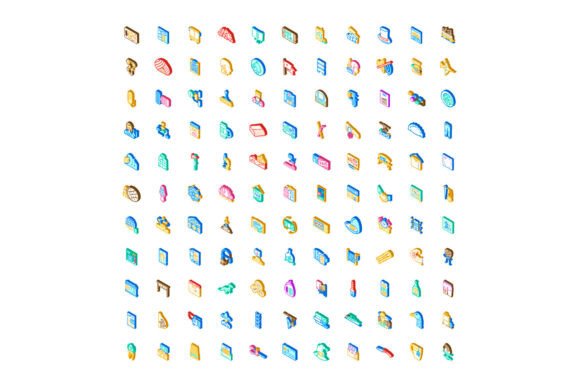
Isometric icons have become a cornerstone of contemporary web and app design. These icons, drawn using a 30-degree angle projection, create the illusion of depth while maintaining the simplicity of two-dimensional graphics. A collection of isometric icons for web ap projects offers designers a versatile toolkit to visually communicate complex ideas in a digestible format. Whether you're building a mobile app, designing a responsive website, or crafting a user interface, these icons help bridge the gap between functionality and aesthetics.
Why Isometric Icons Are Gaining Popularity
As digital interfaces evolve, the demand for visually engaging and intuitive design elements has grown. Isometric icons stand out due to their ability to:
- Convey spatial relationships and depth without overwhelming the user
- Offer a modern, scalable, and consistent visual language
- Adapt easily to various color schemes and themes
- Enhance storytelling and conceptual representation in UI/UX
This makes them especially valuable in a diverse collection of colorful isometric icons that cater to different industries and use cases, from finance and education to health and technology.
Key Characteristics of High-Quality Isometric Icon Sets
When selecting a collection of isometric icons for web ap design, certain features distinguish a useful set from a generic one:
- Consistency: All icons should follow the same perspective, stroke width, and color palette to ensure seamless integration.
- Scalability: Vector-based icons maintain clarity across devices and screen sizes.
- Versatility: Icons should be usable across different contexts—dashboards, landing pages, mobile apps, and presentations.
- Customizability: Designers should be able to tweak colors, shadows, and elements without compromising quality.
A well-curated collection of colorful isometric icons will include not only common interface elements like buttons and menus but also conceptual symbols such as teamwork, data flow, and cloud computing.
Real-World Applications of Isometric Icons in UI/UX Design
The practical applications of isometric icons span across a wide range of digital design disciplines. Here are some common scenarios where these icons add significant value:
Web Development and Responsive Design
In web development, isometric icons enhance visual hierarchy and user engagement. They are often used in:
- Feature highlights on landing pages
- Interactive infographics and data visualizations
- Navigation menus and sidebar elements
Because of their dimensional appeal, these icons can guide users through complex processes without the need for lengthy text explanations.
Mobile App Design and Onboarding Flows
Mobile apps benefit greatly from isometric icons during onboarding and tutorial sequences. These icons can illustrate features and actions in a way that feels intuitive and visually engaging. For example:
- Step-by-step guides using isometric illustrations of app screens
- Interactive prompts that show gesture-based interactions
- Visual metaphors for abstract functions like syncing, uploading, or notifications
Dashboard and Data Visualization Tools
In data-heavy platforms such as analytics dashboards or business intelligence tools, isometric icons serve as visual anchors that help users interpret complex information more easily. They can represent:
- Different data categories or user segments
- System status indicators (e.g., server health, data flow)
- Interactive filters and sorting options
A diverse collection of colorful isometric icons ensures that these tools remain both functional and visually appealing.
Advantages of Using Isometric Icons Over Flat or Skeuomorphic Styles
While flat and skeuomorphic designs have their place in UI/UX, isometric icons offer a unique blend of depth and simplicity that sets them apart:
- Flat Icons: While clean and minimal, flat icons often lack the depth needed to convey spatial relationships or complex concepts. Isometric icons build upon this simplicity by adding dimension without clutter.
- Skeuomorphic Icons: These icons mimic real-world objects with high detail, which can sometimes feel outdated or visually heavy. Isometric icons strike a balance by offering a stylized, modern representation without sacrificing clarity.
For a collection of isometric icons for web ap, this middle-ground approach ensures they remain relevant across evolving design trends.
Who Benefits from a Diverse Collection of Isometric Icons?
The versatility of isometric icons means they serve a broad audience of creators and professionals. Here’s how different groups can leverage them:
UI/UX Designers and Front-End Developers
Designers can integrate isometric icons into mockups and prototypes to enhance user testing and stakeholder presentations. Developers benefit from the scalability and compatibility of vector-based icons, especially when working with responsive frameworks like React or Vue.js.
Content Creators and Educators
Visual storytelling is crucial in digital content creation. A collection of colorful isometric icons can be used in blog posts, educational materials, and explainer videos to simplify complex ideas and improve audience retention.
Business Owners and Marketing Teams
Marketing materials, landing pages, and product demos often rely on visual assets to communicate value propositions quickly. Isometric icons allow brands to present information in a modern, professional, and approachable manner.
Researchers and Data Analysts
For those presenting data or conceptual models, isometric icons provide a way to visualize abstract ideas. Whether illustrating a workflow, system architecture, or user journey, these icons help make presentations more engaging and accessible.
Choosing the Right Collection of Isometric Icons for Your Project
Selecting the right set of isometric icons involves more than just aesthetic appeal. Consider the following factors to ensure your chosen collection aligns with your design goals:
Project Scope and Industry Relevance
Look for a diverse collection of colorful isometric icons that includes relevant categories for your specific industry. A healthcare app may need icons related to anatomy and medical devices, while an e-commerce platform might prioritize icons for shopping, delivery, and payment systems.
Licensing and Usage Rights
Always verify the licensing terms. Some icon sets are free for personal use but require a paid license for commercial projects. Others may offer unlimited usage with attribution. Make sure the license aligns with your project's needs.
Format and Compatibility
Most modern icon collections are available in SVG format, which supports scalability and customization. However, if your project involves older platforms or frameworks, look for collections that also offer PNG or icon font versions.
Customization Options
Some collections allow for easy color changes, layer adjustments, and even icon combination. These features are especially useful for designers who want to maintain a cohesive brand identity while using third-party icon sets.
Incorporating Isometric Icons into Your Design Workflow
Once you’ve selected a suitable collection of isometric icons for web ap design, the next step is integrating them into your workflow effectively:
Design Tools and Plugins
Popular design tools like Figma, Sketch, and Adobe XD support isometric icon libraries through plugins and asset integrations. These tools allow for easy drag-and-drop placement, resizing, and styling without losing quality.
Version Control and Collaboration
When working in teams, ensure all members have access to the same icon library and design system. Using shared libraries or design tokens can help maintain consistency across different parts of the application or website.
Performance Optimization
While isometric icons are visually rich, they shouldn’t compromise performance. Optimize SVG files by removing unnecessary metadata and compressing them using tools like SVGO. This helps maintain fast load times and a smooth user experience.
Emerging Trends and Future Outlook
As digital design continues to evolve, isometric icons are likely to play an even bigger role in immersive and interactive experiences. Some emerging trends include:
- Dynamic Isometric Icons: Animated isometric icons that respond to user interactions or loading states.
- AI-Generated Icon Sets: Customizable icon libraries generated using machine learning based on brand guidelines and design preferences.
- 3D-Integrated Icons: Isometric icons that blend seamlessly with full 3D environments in web and app design.
Staying ahead of these trends ensures that your use of a diverse collection of colorful isometric icons remains both relevant and impactful.