Isometric Icons Presenting Technology: Enhancing Modern Web Design with Visual Clarity
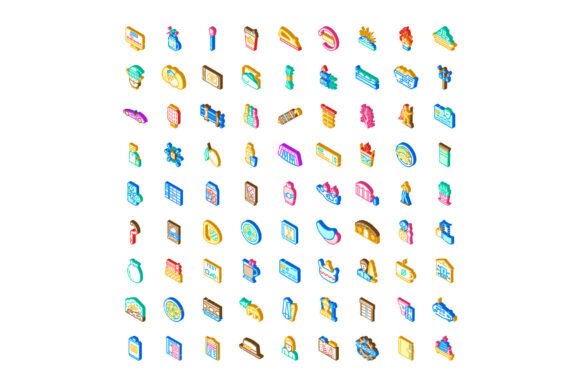
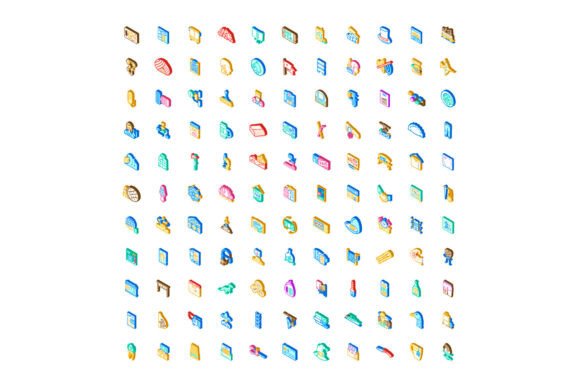
Isometric icons presenting technology have become a go-to solution for designers aiming to convey complex ideas in a visually engaging and simplified format. These icons, part of a larger collection that includes smart technology, fashion items, everyday lifestyle elements, and industrial processes, offer a unique blend of style and functionality. Whether used in dashboards, mobile apps, or digital interfaces, isometric icons help bridge the gap between abstract concepts and intuitive understanding.
What Makes Isometric Icons Stand Out?
Isometric design is a method of visually representing 3D objects in a 2D space without the distortion of perspective. This technique gives icons a sense of depth while maintaining the clarity and scalability of flat design. When applied to technology themes, isometric icons can depict anything from smart home systems to complex industrial machinery, all while keeping the interface clean and user-friendly.
Designers often choose isometric icons because they:
- Provide a modern and professional aesthetic
- Enhance user engagement through visual storytelling
- Are easily scalable without losing quality
- Allow for consistent visual language across platforms
How Isometric Icons Support Smart Technology Visualization
Smart technology is increasingly integrated into daily life, from voice-activated assistants to IoT-enabled appliances. Representing these innovations through isometric icons allows users to quickly grasp the functions and connections of various devices. For instance, an isometric icon showing a smart thermostat connected to a smartphone can instantly communicate the idea of remote control and automation.
These icons are especially useful in:
- Smart home applications
- Industrial IoT dashboards
- Mobile interfaces for wearable tech
- Customer-facing tech support portals
By using isometric icons presenting technology, developers and designers can create interfaces that feel both advanced and approachable, helping users feel more confident in navigating complex systems.
Isometric Icons in Fashion and Lifestyle Design
Beyond technology, isometric icons are also widely used in fashion and lifestyle contexts. These icons help illustrate clothing items, accessories, and daily routines in a visually appealing way. For example, a fitness app might use isometric icons to represent different types of workouts, meals, or hydration tracking, making the interface more engaging and easier to follow.
Common applications include:
- Fashion e-commerce platforms showcasing outfits
- Mobile apps for personal styling and outfit planning
- Health and wellness dashboards
- Lifestyle blogs and digital planners
The versatility of isometric icons makes them a valuable asset across multiple industries, especially where visual clarity and emotional connection are key to user experience.
Industrial and Everyday Use Cases for Isometric Icons
From manufacturing processes to home automation, isometric icons provide a visual shorthand for complex systems. In industrial design, these icons can represent machinery, logistics, or safety protocols in a way that's both informative and easy to digest. In everyday contexts, they help simplify tasks like navigation, scheduling, or even home maintenance.
Consider the following examples:
- A logistics app using isometric icons to show delivery routes and warehouse inventory
- A smart home hub displaying HVAC, lighting, and security systems through isometric visuals
- A maintenance app using icons to guide users through troubleshooting steps
These icons not only improve usability but also reduce cognitive load, making digital interfaces more accessible to a broader audience.
Why Designers Prefer Isometric Icons for Digital Interfaces
Isometric icons presenting technology and other themes are increasingly favored in web and app design due to their ability to communicate depth and functionality without overwhelming the user. They strike a balance between realism and abstraction, making them ideal for modern UI/UX design principles.
Some of the key reasons designers choose isometric icons include:
- Visual Depth: Offers a 3D-like feel without compromising on performance or clarity.
- Consistency: Maintains a uniform style across different categories and functions.
- Scalability: Retains quality at any size, making it suitable for responsive design.
- Brand Alignment: Can be customized to match brand colors, tones, and styles.
As digital experiences become more complex, the need for intuitive and visually appealing design elements like isometric icons will continue to grow.
Choosing the Right Isometric Icon Set for Your Project
When selecting isometric icons presenting technology or any other theme, it’s important to consider the context, audience, and platform. A well-chosen icon set should align with the overall design language and enhance user comprehension rather than distract or confuse.
Here are some tips for selecting the right isometric icons:
- Match the style: Ensure the icons complement the rest of your UI elements.
- Check for variety: Look for sets that include a wide range of concepts and scenarios.
- Test for clarity: Icons should be easily recognizable even at smaller sizes.
- Consider licensing: Make sure the icons can be used commercially without restrictions.
Many design platforms and marketplaces offer ready-to-use isometric icon packs, often categorized by themes such as technology, fashion, lifestyle, and industry. These collections can save time and ensure consistency across your digital product.
Integrating Isometric Icons into Modern Workflows
Isometric icons are not just design elements—they’re tools that enhance communication, streamline workflows, and improve user engagement. In agile development environments, for example, isometric icons can be used in sprint planning tools or task management apps to represent different types of work or progress stages.
Some practical integration strategies include:
- Incorporating icons into data visualization dashboards
- Using them in onboarding flows to guide new users
- Implementing them in e-learning platforms to illustrate concepts
- Embedding them in mobile apps to improve navigation
By embedding isometric icons throughout a digital product, designers can create a more cohesive and intuitive experience that supports both user goals and business objectives.
Looking Ahead: The Future of Isometric Icons in Digital Design
As technology evolves, so too will the visual language used to represent it. Isometric icons presenting technology and other concepts are likely to become even more sophisticated, integrating with emerging trends like augmented reality, AI-driven interfaces, and immersive web experiences. The key will be to maintain simplicity and clarity while embracing new design possibilities.
Designers and developers who stay ahead of these trends will find that isometric icons remain a powerful tool for creating engaging, user-friendly digital experiences across a wide range of industries and applications.