Isometric Vector Icons and Web Graphic E: Enhancing Visual Communication in Modern Design
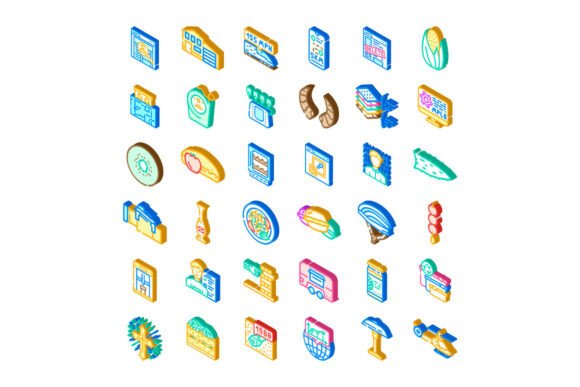
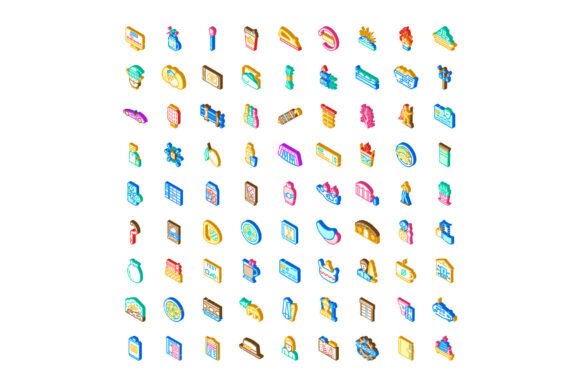
In today’s fast-paced digital landscape, visual communication has become a cornerstone of effective user engagement. Among the most compelling tools emerging in this space are Isometric Vector Icons and Web Graphic E — a dynamic collection of diverse isometric vector UI icons and symbols tailored for web, apps, business, and technology. These graphics, featuring 3D perspective elements, are redefining how professionals approach design across industries such as finance, health, travel, and communication.
What Are Isometric Vector Icons and Web Graphic E?
Isometric Vector Icons and Web Graphic E represent a curated design resource that combines artistic depth with technical precision. Unlike traditional flat icons, these visuals utilize isometric projection — a method that creates the illusion of three dimensions without the complexity of full 3D modeling. This makes them ideal for conveying spatial relationships and layered concepts in a visually intuitive way.
Each icon in the collection is crafted with a 3D perspective, allowing designers to represent abstract ideas like financial growth, medical processes, travel routes, or communication networks with clarity and visual appeal. Because they are vector-based, these icons are infinitely scalable without loss of quality, making them suitable for both web and print applications.
Why Isometric Design Is Gaining Momentum
The rise of isometric design aligns with broader trends in digital communication and user experience design. As audiences become more visually literate, there’s a growing demand for content that is not only informative but also aesthetically engaging. Isometric Vector Icons and Web Graphic E cater to this demand by offering a design language that is both modern and functional.
One of the key drivers behind this trend is the increasing complexity of digital platforms. Modern apps and websites often need to convey multifaceted concepts — from financial dashboards to health monitoring tools — in a way that is easy to understand at a glance. Isometric visuals provide a solution by adding depth and context without overwhelming the viewer.
Meeting Evolving Design Needs
Designers and developers are constantly seeking tools that streamline their workflows while enhancing the visual impact of their projects. Isometric Vector Icons and Web Graphic E fulfill this need by offering a versatile and scalable asset library that integrates seamlessly into modern design ecosystems.
- Scalability: Vector format ensures icons remain sharp at any size, from mobile screens to large banners.
- Consistency: Uniform visual style across the collection ensures cohesive design across platforms.
- Flexibility: Icons can be easily customized to match brand colors and styles.
These features make the collection especially valuable for startups, agencies, and enterprises looking to maintain a professional visual identity across multiple touchpoints.
Real-World Applications Across Industries
The strength of Isometric Vector Icons and Web Graphic E lies in their adaptability. Let’s explore how different industries are leveraging these visuals to enhance their communication strategies:
Finance
Financial platforms often deal with abstract data that can be difficult to visualize. Isometric icons help break down complex financial concepts — such as investment growth, risk analysis, or transaction flows — into digestible visuals. For example, a fintech app might use isometric icons to represent different investment portfolios, giving users a clear visual cue for each category.
Healthcare
In the healthcare sector, clarity and accessibility are crucial. Isometric icons can illustrate medical procedures, wellness routines, or telehealth services in a way that is both informative and reassuring. A telemedicine platform, for instance, could use these icons to guide users through appointment scheduling, symptom checking, or medication tracking.
Travel
Travel brands are increasingly using isometric visuals to showcase destinations, services, and itineraries. These icons can depict everything from flight paths to hotel amenities, offering a more immersive experience than flat icons. A travel booking site might use isometric graphics to highlight adventure packages, city tours, or eco-friendly stays, helping users quickly identify what resonates with them.
Communication
With the rise of remote work and digital collaboration, communication tools are under pressure to be both intuitive and expressive. Isometric icons provide a richer visual language for messaging apps, video conferencing platforms, and customer support interfaces. For example, a project management tool could use isometric icons to represent task statuses, team roles, or workflow stages, enhancing usability and engagement.
Aligning with Broader Design Trends
The popularity of isometric design is not isolated — it reflects larger shifts in how we approach digital aesthetics and functionality. One such trend is the move toward visual storytelling, where information is conveyed through engaging, narrative-driven visuals rather than static text or flat graphics.
Additionally, the emphasis on user-centered design has made it essential for interfaces to be both informative and emotionally resonant. Isometric icons strike a balance between realism and abstraction, making them ideal for creating interfaces that are both functional and visually compelling.
Moreover, as brands seek to differentiate themselves in crowded markets, unique visual identities have become a key differentiator. Isometric Vector Icons and Web Graphic E offer a distinct design language that can elevate a brand’s presence across digital and print media.
Practical Tips for Integrating Isometric Icons
For designers and developers looking to incorporate Isometric Vector Icons and Web Graphic E into their projects, here are a few practical considerations:
- Match the Tone: Choose icons that align with your brand’s personality — whether it's professional, playful, or minimalist.
- Use Consistently: Maintain visual harmony by using icons from the same style family across your platform.
- Optimize for Performance: While vector graphics are scalable, ensure they are properly optimized for web use to maintain fast load times.
- Test for Clarity: Icons should be intuitive. Test with real users to ensure they communicate the intended message without confusion.
The Future of Visual Design
As digital experiences continue to evolve, the role of visual elements like Isometric Vector Icons and Web Graphic E will only become more critical. With the rise of AI-driven design tools, immersive interfaces, and cross-platform consistency demands, isometric visuals offer a flexible and future-ready solution.
Looking ahead, we can expect to see more integration of isometric design in augmented reality (AR), virtual reality (VR), and interactive dashboards. These technologies require visual elements that can convey depth and context in real-time, and isometric icons are well-positioned to meet that need.
Conclusion
In a world where attention spans are short and design expectations are high, Isometric Vector Icons and Web Graphic E offer a powerful way to communicate complex ideas with clarity and style. Whether you're a startup building your first app, a marketer crafting a campaign, or a developer designing a dashboard, these visuals can help you connect with your audience in a meaningful way.
By embracing this design trend, professionals across industries can enhance their visual storytelling, improve user engagement, and stay ahead of evolving design standards. As part of a broader movement toward richer, more intuitive digital experiences, isometric icons are not just a passing fad — they are a key component of the future of design.