Isometric Business and Logistics Service: A Visual Revolution in Modern Design and Communication
In the evolving landscape of digital design, visual communication plays a pivotal role in conveying complex ideas with clarity and efficiency. Among the most compelling trends gaining traction is the use of Isometric Business and Logistics Service iconography. These stylized, three-dimensional illustrations are not just aesthetically pleasing—they’re functional, scalable, and adaptable across a wide range of digital platforms. From infographics and mobile apps to web interfaces and enterprise dashboards, isometric icons are transforming how professionals and consumers interact with data and services.
What Is Isometric Business and Logistics Service?
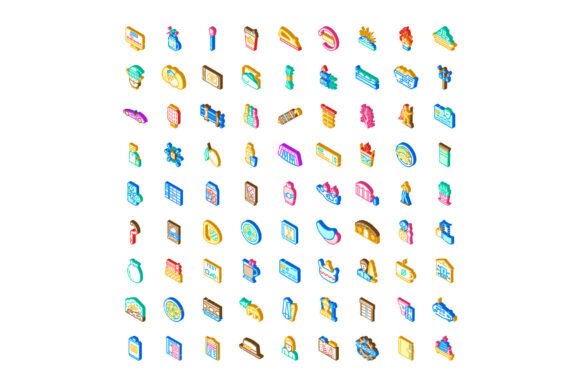
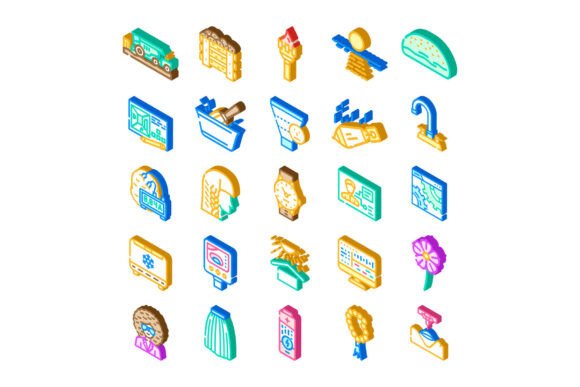
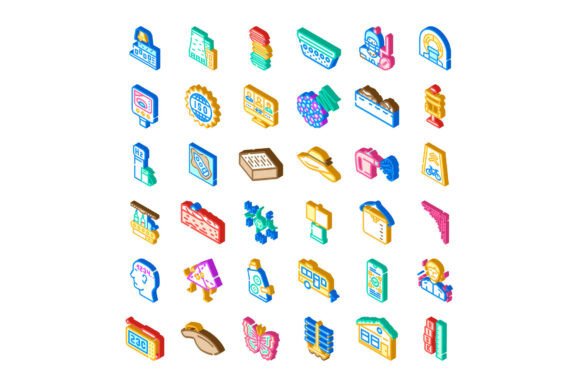
Isometric design refers to a method of visually representing 3D objects in a 2D space without the distortion of perspective. When applied to business and logistics services, this design approach results in a cohesive visual language that simplifies complex systems and processes. The Isometric Business and Logistics Service icon set typically includes elements such as delivery trucks, financial charts, urban infrastructure, healthcare symbols, and social welfare icons, all rendered in a consistent, clean style.
These icons are not just decorative—they serve a functional purpose. By offering a more immersive and engaging way to visualize data, isometric designs help users better understand and navigate complex workflows. Whether it’s illustrating a supply chain process, a financial transaction, or a healthcare service, these icons bridge the gap between abstract information and intuitive understanding.
Why Isometric Icons Are Resonating with Today’s Professionals
In a world where time is a premium and attention spans are short, the ability to convey information quickly and clearly is more important than ever. The Isometric Business and Logistics Service set meets this demand by combining visual appeal with functional clarity. Here’s why they’re gaining traction among professionals, creators, and entrepreneurs:
- Visual Engagement: Isometric icons draw the eye and make content more engaging, especially in reports, presentations, and dashboards.
- Consistency Across Platforms: These icons maintain a unified look and feel, making them ideal for cross-platform applications and responsive design.
- Scalability: Because they are vector-based, isometric icons can be resized without losing quality, making them suitable for both mobile and desktop interfaces.
- Contextual Clarity: Unlike flat icons, isometric designs can show spatial relationships and depth, helping users grasp complex systems more easily.
How Isometric Design Fits Into Broader Industry Trends
The rise of isometric design in business and logistics aligns with several larger trends shaping the digital and creative industries:
- Increased Demand for Visual Storytelling: As businesses shift toward data-driven decision-making, there’s a growing need to present information in a way that’s both insightful and easy to digest. Isometric visuals support this by turning abstract concepts into relatable imagery.
- Remote Work and Digital Collaboration: With more teams working remotely, tools that facilitate clear communication are in high demand. Isometric icons enhance collaboration platforms, project management tools, and logistics software by making workflows more transparent and intuitive.
- Integration of AI and Automation: As logistics and business systems become more automated, visual interfaces must evolve to reflect these changes. Isometric icons provide a modern, human-friendly layer over increasingly complex backend systems.
Practical Applications Across Industries
The Isometric Business and Logistics Service icon set is versatile enough to be used across a wide range of industries and applications. Here are a few practical examples:
1. E-Commerce and Delivery Platforms
For online marketplaces and delivery services, isometric icons can illustrate the journey of a product—from warehouse to doorstep. Visualizing the delivery pipeline with icons such as trucks, drones, and delivery personnel helps users track orders and understand timelines more effectively.
2. Financial and Business Analytics
In fintech and enterprise software, isometric icons can represent financial flows, investment portfolios, and business performance metrics. For example, a rising graph icon paired with a currency symbol can instantly communicate growth trends without the need for lengthy explanations.
3. Healthcare and Social Services
Healthcare apps and public service portals benefit from isometric icons depicting medical professionals, hospitals, and community support systems. These visuals help users navigate services, locate resources, and understand complex health or social welfare processes.
4. Urban Planning and Smart Cities
As cities become more connected, isometric design is increasingly used to visualize urban infrastructure, transportation systems, and environmental monitoring. These icons help planners and citizens alike understand the interconnectedness of modern urban ecosystems.
Meeting the Changing Needs of Designers and Users
The growing popularity of isometric design reflects a broader shift in user expectations. Today’s audiences—whether they’re entrepreneurs, freelancers, or enterprise users—demand interfaces that are not only functional but also enjoyable to use. The Isometric Business and Logistics Service icon set meets this need by offering a modern, visually rich alternative to traditional flat design.
Moreover, as digital tools become more integrated into daily workflows, the need for intuitive, cross-functional design is growing. Isometric icons provide a visual shorthand that helps users quickly grasp complex concepts, reducing cognitive load and improving overall user experience.
The Role of 24/7 Support and Real-Time Data Integration
One of the key strengths of the Isometric Business and Logistics Service set is its compatibility with real-time systems. Whether it’s a 24/7 customer support portal, a live delivery tracking dashboard, or a health monitoring interface, isometric icons enhance the user’s ability to interpret live data quickly.
For instance, in a 24-hour logistics monitoring system, isometric icons can represent vehicle locations, warehouse activity, and real-time inventory levels. This level of visual feedback is crucial for decision-makers who need to act swiftly in dynamic environments.
Designing for the Future: What’s Next for Isometric Icons?
As we move further into a digitally interconnected world, the role of visual design in business and logistics will only become more critical. The Isometric Business and Logistics Service icon set is well-positioned to evolve alongside emerging technologies such as augmented reality (AR), artificial intelligence (AI), and the Internet of Things (IoT).
Imagine a logistics manager using AR glasses to visualize a supply chain in real time, with isometric icons representing each node in the network. Or a small business owner using an AI-powered dashboard where isometric visuals dynamically update based on performance metrics. These scenarios are not far-fetched—they represent the next frontier of digital interface design.
Conclusion: A Design Trend with Lasting Impact
The Isometric Business and Logistics Service icon set is more than just a passing design fad. It represents a shift toward more intuitive, engaging, and context-aware digital experiences. Whether you’re a marketer building a campaign, a developer designing an app, or a business leader managing a supply chain, integrating isometric visuals can enhance communication, streamline workflows, and improve user satisfaction.
As digital platforms continue to evolve, the demand for clear, scalable, and visually compelling design will only grow. By embracing isometric design principles today, professionals across industries can future-proof their tools and services while delivering a more engaging and effective user experience.